Advice
2026 Wedding Trends Worth Paying Attention To
·The Wedding Ring Blog Editorial Team
Most wedding trend lists are useful for about five minutes. The better question is which changes reflect something deeper in how couples are actually planning.
Across Vogue’s 2026 trend reporting and The Knot’s latest real-weddings research, one theme keeps appearing: couples are moving away from one-size-fits-all formulas and spending more attention on choices that feel personal, practical and enjoyable for guests.
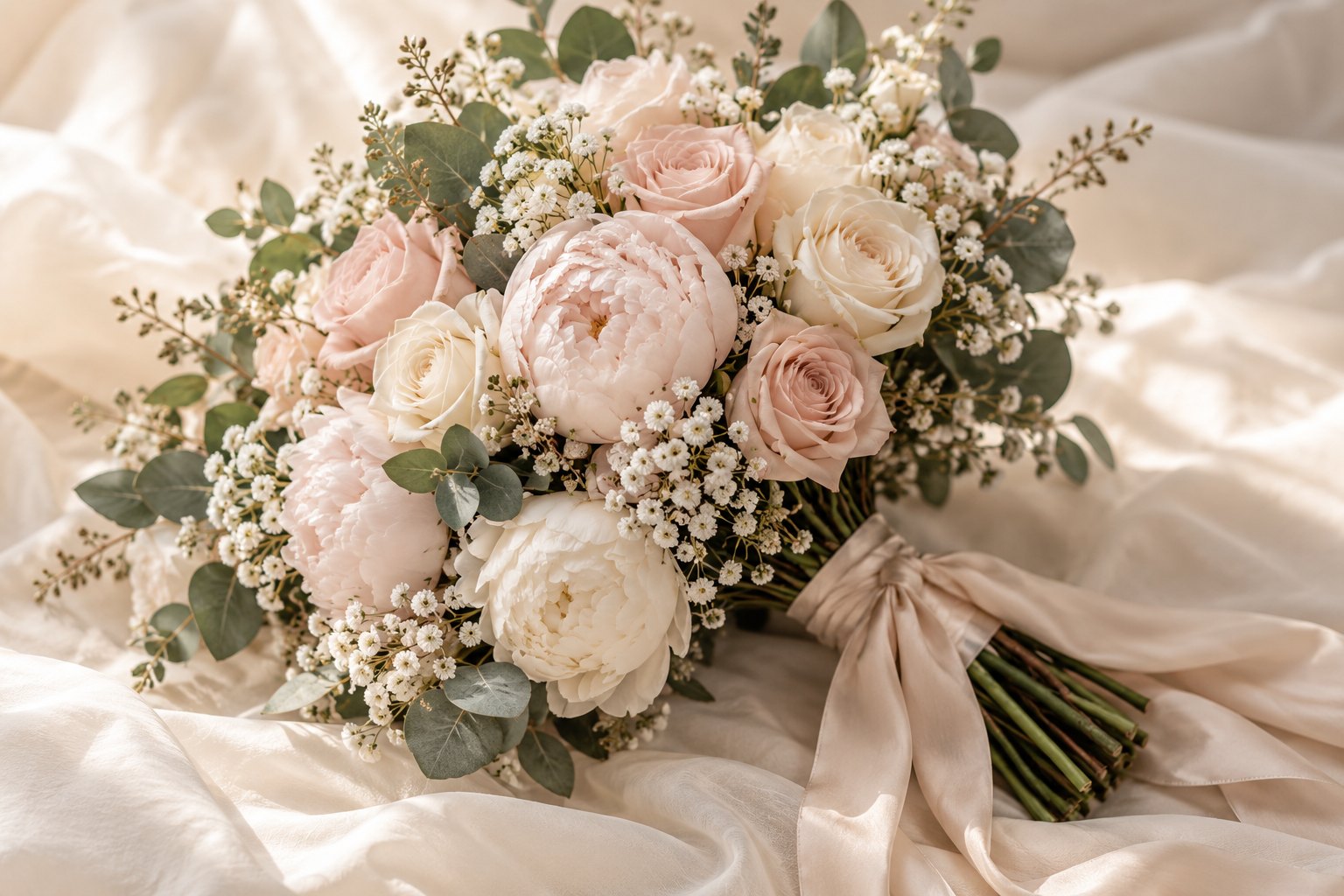
1. Intentionality is replacing copy-and-paste aesthetics
Vogue’s 2026 trend report describes a shift toward weddings that reflect the people actually attending rather than inherited templates. That may sound obvious, but it has practical consequences: couples are questioning traditions, schedules and decorative habits instead of treating them as mandatory.
Our view: keep any tradition you enjoy, remove the ones you do not understand, and do not replace them with a new trend simply because social media says you should.
2. Guest experience is becoming part of the design
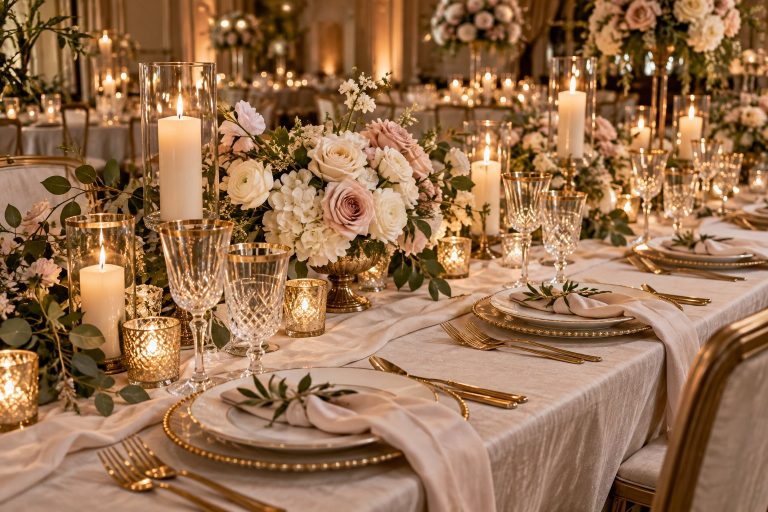
Food, movement and entertainment are increasingly being planned as part of the atmosphere rather than as separate logistics. Vogue highlights food presentations as visual design, while The Knot’s research similarly points toward connection and experience as priorities.
This is one trend worth keeping. Guests are more likely to remember whether the day flowed well, whether they ate comfortably and whether they felt included than the exact shade of napkin.
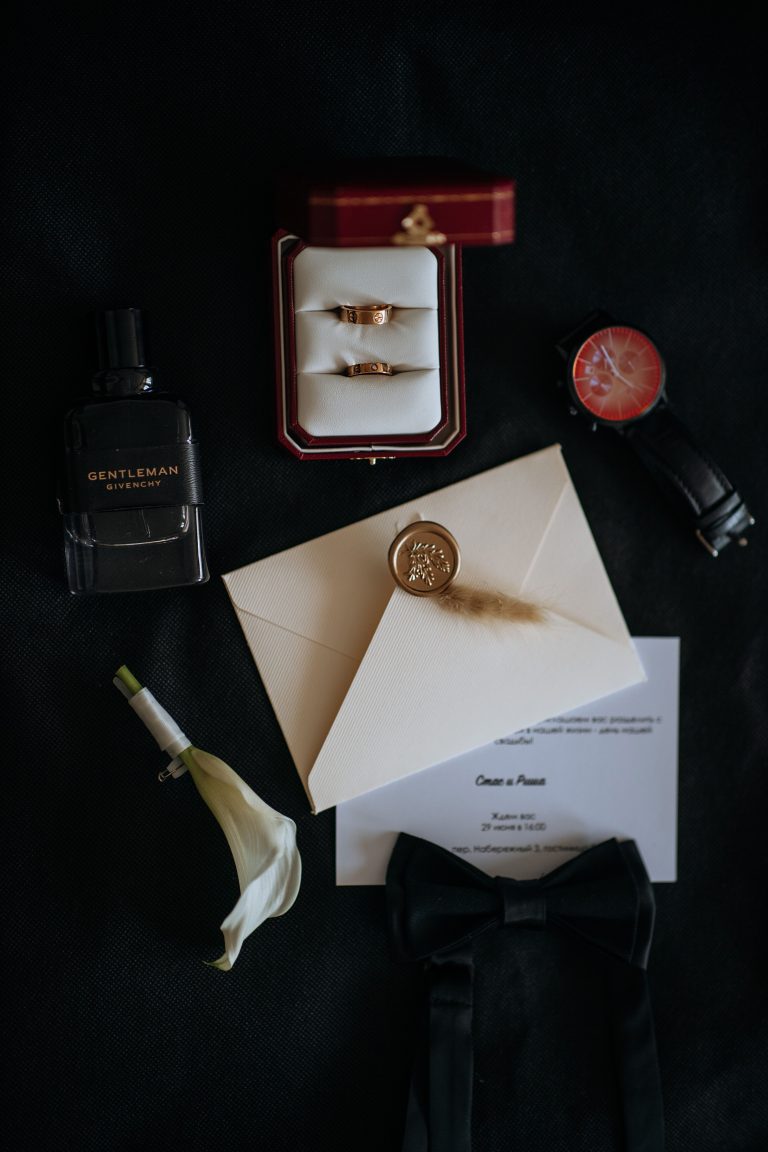
3. Rings are getting more individual
British Vogue has highlighted interest in “one-and-done” ring thinking and less rigid ideas of what bridal jewellery should look like. The Knot’s 2026 research also shows strong involvement from recipients in ring selection, alongside continued growth in yellow gold and lab-grown centre stones.
That does not mean there is a correct ring for 2026. It means couples have more permission to choose based on everyday wear, budget and personal taste rather than bridal convention.
If you are comparing metals, start with our wedding ring metals guide.
4. Bigger impact is coming from fewer, stronger ideas
Current wedding coverage is full of deliberately sculptural cakes, bold food displays, architectural backdrops and concentrated floral moments. The common thread is not maximalism; it is focus.
Rather than spreading budget across twenty decorative categories, choose a handful of places where you want real impact. A dramatic entrance, exceptional dinner lighting or a memorable cake can do more than a long list of small styling purchases.
5. The calendar still matters
The Knot identifies several peak 2026 dates, including September and October Saturdays. Popular dates can mean more competition for venues and suppliers, so couples planning around peak periods should book the difficult-to-replace suppliers first.
What we would ignore
- Anything described as “must-have” when it has no relationship to your guests or venue.
- Decor purchased solely to reproduce a photograph from someone else’s wedding.
- Trends that make the day harder to navigate.
- Ring choices driven by what is currently fashionable rather than what you want to wear for years.
The useful trend is confidence
The most encouraging direction in 2026 weddings is not a flower, dress shape or cake style. It is the willingness to make fewer automatic decisions. A wedding can be formal, traditional, fashionable or extravagant and still feel personal. The point is to know why you chose it.
Sources
For the trend reporting behind this analysis, see Vogue’s 2026 wedding trends, Vogue’s 2026 micro-trends, and The Knot 2026 Real Weddings Study.