Planning
When Should You Buy Wedding Rings? A Month-by-Month Timeline
·The Wedding Ring Blog Editorial Team
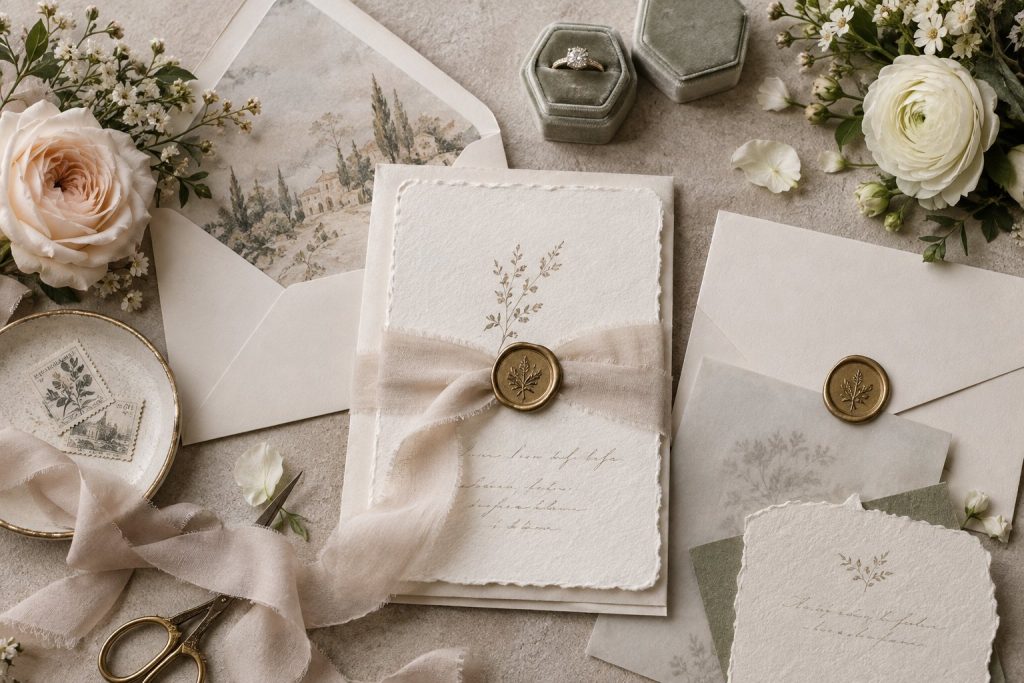
Buy wedding rings early enough that sizing, engraving and any remake can be dealt with calmly. For many couples, starting around three to six months before the wedding is sensible; bespoke work or unusual materials can need longer, while straightforward stock bands may need less time. The correct lead time is the one your jeweller confirms for the exact ring.
Use these as planning milestones, not promised production times. Work backwards from your wedding date using the supplier’s written estimate for your exact sizes, design and engraving.
Work backwards from the day you need the rings
- Set the in-hand date: include travel before the wedding, not only the ceremony date. Aim to have the finished rings checked before you leave.
- Reserve a final try-on: agree when you will check both rings after any work is complete.
- Allow for a correction: ask the jeweller how they would handle a fit or engraving problem and what time that process requires.
- Separate completion from delivery: confirm whether the estimate means ready in the workshop, dispatched or available to collect.
- Find the approval deadline: ask when sizes, design choices and engraving must be confirmed to keep the agreed schedule.
If that schedule does not fit your date, discuss a different available design before paying. A stock photograph or a general “usually ships” message is not confirmation for your particular order.
Six to nine months before: research, especially for bespoke work
If you want a custom profile, unusual alloy, hand engraving, shaped band or ring designed around an engagement ring, start conversations early. You do not have to place the order immediately, but you will learn what is feasible and how long the jeweller needs.
Three to six months before: the practical ordering window
For many made-to-order wedding bands, this is a comfortable point to decide. Try the real width and profile, not just a sample that looks similar. Confirm the metal, finish, dimensions, ring size, engraving and estimated completion date in writing.
Eight to twelve weeks before: do not rely on “standard”
Some rings can still be supplied comfortably in this window, but leave margin for adjustment. If a band needs resizing or the shaped wedding ring does not sit as expected beside an engagement ring, the correction needs time too.
Four weeks before: avoid creating a preventable emergency
Ask what can genuinely be completed rather than what is theoretically available online. Confirm stock in your actual size and ask which alteration, personalisation and return terms apply to the specific order before paying.
What if the wedding is only a few weeks away?
Tell the supplier your real deadline at the start. Ask which rings are available in your sizes, whether a fitting can happen before purchase, and whether collection or delivery leaves any time to correct a problem.
- Keep the specification manageable: ask whether a simpler available band meets your priorities instead of assuming bespoke work can be rushed.
- Consider postponing optional engraving: ask the jeweller whether it can be added after the wedding, and what that would involve. See our engraving guide before approving the text.
- Discuss a temporary ceremony band if needed: it can separate the ceremony deadline from a more considered long-term purchase. Agree this together rather than buying an expensive ring solely because it is immediately available.
- Confirm fit and aftercare: a quick purchase still needs the right size and a clear plan if it does not fit. Use the sizing guide and ask about the exact design’s resizing limits.
The week of the wedding
Both rings should already be finished, tried on and stored safely. Check engraving, finish and fit. Give the rings to the person responsible for them only when the ceremony plan requires it; there is no advantage in passing them around days early.
What can change the timeline
- bespoke design or CAD approval
- hand engraving
- unusual stone setting
- assay and hallmarking schedules
- international shipping
- shaped bands made to fit an engagement ring
- materials that cannot be resized easily
Do not size from panic
Finger size varies with temperature, activity and time of day. If the ring suddenly feels different close to the wedding, do not request a permanent size change after one hot afternoon. Have the fit assessed professionally and consider the band width and profile.
Before you pay
Ask for the expected delivery date, resizing policy, return restrictions for engraved or bespoke rings, and what happens if the first size is wrong. A clear aftercare policy is as important as the advertised production time.
Keep one record for both ring orders
Save the following with the order confirmation, using a separate line for each ring:
- Maker, design reference, metal specification, width, profile and finish.
- Confirmed size and the size system used, plus the sample tried.
- Engraving text exactly as approved, including capitals and date format.
- Total quote, any agreed adjustments, amount paid and remaining payment arrangements.
- Approval, completion, collection or delivery, and final fitting dates.
- The supplier’s contact details and agreed process if the size or finish is wrong.
Before choosing on speed alone, compare the complete cost and specification in our wedding-ring cost guide. Use the buying checklist to check what is still undecided.
Updated 2 October 2026. Planning guidance; confirm all production and delivery dates with your chosen supplier.